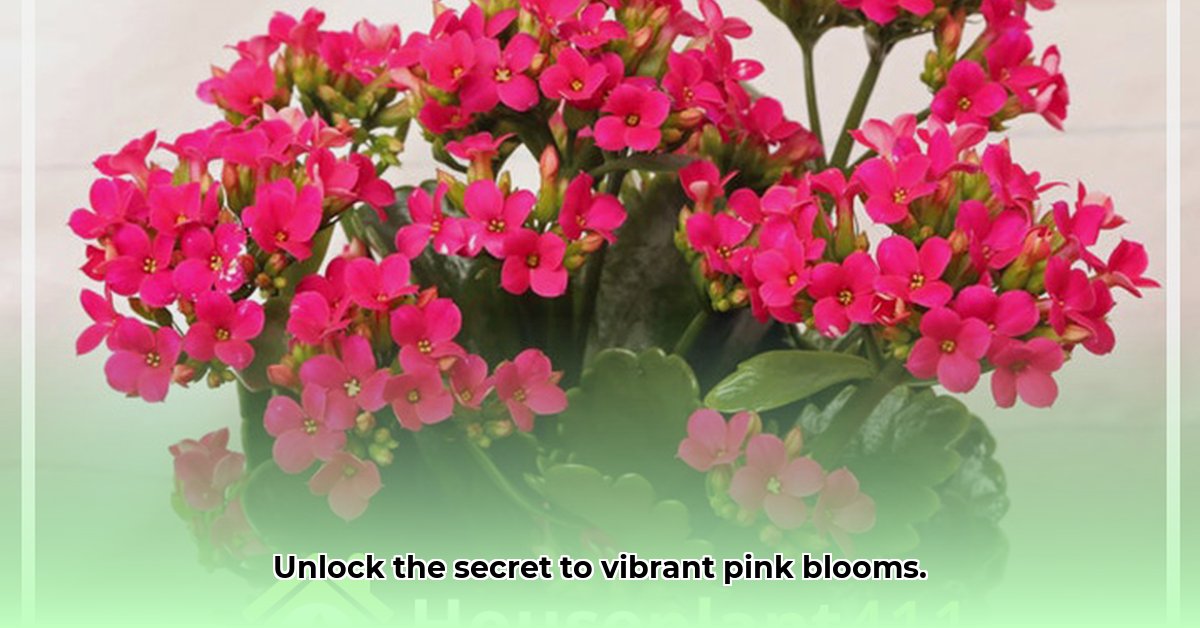
Choosing the Right Pink Flowering Shrub: A Perfect Match for Your Garden
Selecting the ideal pink flowering shrub hinges on understanding your garden's unique conditions. Consider these key factors to ensure your shrubs thrive:
Climate: Some shrubs, like azaleas, tolerate cooler temperatures, while others, such as camellias, prefer milder climates. Research the hardiness zones (regions with similar minimum winter temperatures) for your area to find compatible shrubs.
Soil Type: Well-drained soil is crucial. Amend heavy clay soil with compost to improve drainage. Sandy soils might need more frequent watering. Consider your soil's pH level, as some shrubs prefer acidic conditions while others thrive in neutral or alkaline soil.
Sunlight: Most pink flowering shrubs need at least some sunlight. Check the plant tag for specific sunlight requirements, noting whether they prefer full sun, partial shade, or shade.
Gardening Goals: Define your objectives. Do you want to attract pollinators? Control soil erosion? Or simply enjoy the beauty of their blooms? This will guide your shrub selection. For pollinator attraction, choose shrubs known for their nectar-rich flowers. For erosion control, ground-covering varieties are ideal.
For more pink plant inspiration, check out this helpful resource: Pink Plant Ideas.
Risk Assessment Matrix (Simplified): Remember, these are general guidelines. Individual species may vary.
| Shrub Type | Invasiveness Risk | Water Needs | Pest Susceptibility | Notes |
|---|---|---|---|---|
| Azalea | Low | Moderate | Moderate | Thrives in cooler climates; numerous varieties available. |
| Camellia | Low | Moderate | Low | Prefers milder climates; known for elegant blooms. |
| Rose of Sharon | Medium | Moderate | Moderate | Vigorous grower; beautiful summer flowers. Potential for invasiveness in some regions. |
| Chinese Hibiscus | High | High | High | Stunning blooms but requires significant care. Highly invasive in certain areas. |
Planting and Establishment: A Sustainable Start
Successfully planting your pink flowering shrubs involves these steps:
Soil Preparation: Loosen the soil deeply (at least 12 inches) and incorporate a generous amount of compost to improve drainage and fertility. This provides essential nutrients for healthy root development. (Aim for a soil mix that is rich in organic matter.)
Digging the Holes: Ensure the holes are twice as wide as the root ball, allowing ample space for root expansion. The depth should be sufficient to accommodate the entire root system without cramping.
Gentle Placement: Carefully remove the shrub from its container, avoiding damage to the roots. Gently place it in the hole, ensuring the top of the root ball is level with the ground surface.
Backfilling and Watering: Gently fill the hole with soil, ensuring no air pockets remain. Water thoroughly to settle the roots and provide immediate moisture. (A deep, slow watering is most effective.)
Mulching: Apply a 2-3 inch layer of organic mulch (such as wood chips or shredded bark) around the base of the plant, keeping it a few inches away from the stem. This helps retain moisture, suppress weeds, and regulate soil temperature.
Ongoing Care and Maintenance: Nurturing Your Shrubs Sustainably
Regular maintenance ensures healthy, vibrant shrubs. Focus on these sustainable practices:
Watering: Water deeply but infrequently, encouraging deep root growth and minimizing water waste. Adjust watering based on rainfall and weather conditions. (Overwatering can lead to root rot.)
Pruning: Light pruning after flowering maintains shape and promotes new growth. Remove any dead, damaged, or diseased branches to prevent disease spread and enhance aesthetic appeal. (Research your specific shrub's pruning needs.)
Mulching: Reapply mulch annually to maintain soil moisture, suppress weeds, and regulate soil temperature. (This reduces the need for chemical herbicides.)
Pest and Disease Management: Utilize organic pest control methods such as insecticidal soap or neem oil. Regular inspection of your shrubs is vital for early detection and prevention of pest infestations or diseases. (A healthy plant is less susceptible to pests and diseases.)
Fertilizing: Employ organic fertilizers sparingly. Avoid over-fertilizing, which can harm your shrubs. Follow package instructions carefully. (Organic fertilizers provide nutrients without harming the environment.)
Assessing Long-Term Sustainability: Continuous Monitoring and Adaptation
Sustainable gardening is an ongoing process. Regularly monitor:
Soil Health: Assess soil structure, moisture levels, and nutrient content. Address any issues promptly to ensure optimal growing conditions. (Soil testing provides valuable insight into nutrient levels and pH.)
Biodiversity: Observe the variety of insects, birds, and other organisms that interact with your shrubs. A diverse ecosystem indicates a healthy environment. (Planting a variety of species enhances biodiversity.)
Water Usage: Track water consumption to identify potential areas for improvement and optimize irrigation practices. (Efficient irrigation methods reduce water waste and environmental impact.)
Cost-Effectiveness: Evaluate the costs associated with your chosen methods and assess both monetary returns and environmental considerations. Sustainable gardening may involve initial investment but pays off in the long run. (Compare the costs of organic versus chemical methods, assessing return on investment alongside environmental impacts.)
This continuous monitoring and adaptation ensure that your cultivation practices remain environmentally responsible and cost-effective.
Conclusion: A Beautiful and Sustainable Garden
Growing gorgeous pink flowering shrubs sustainably is achievable with careful planning and consistent effort. By following these guidelines, you can create a beautiful garden while minimizing your environmental impact. Remember, sustainable gardening is a journey of continuous learning and adaptation. Enjoy the process, and bask in the beauty of your flourishing pink flowers!